Shopping Cart


Out-of-Stock
Ask about product
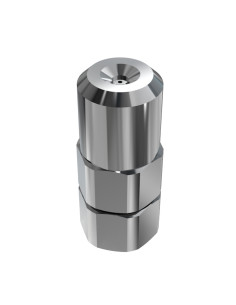
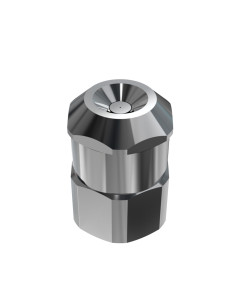
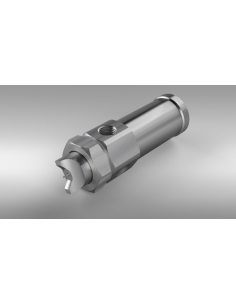
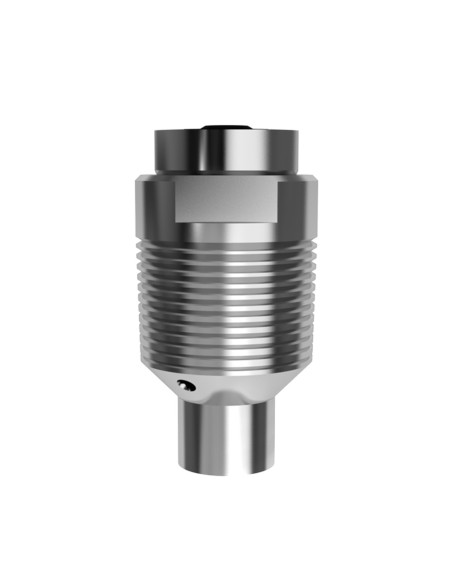
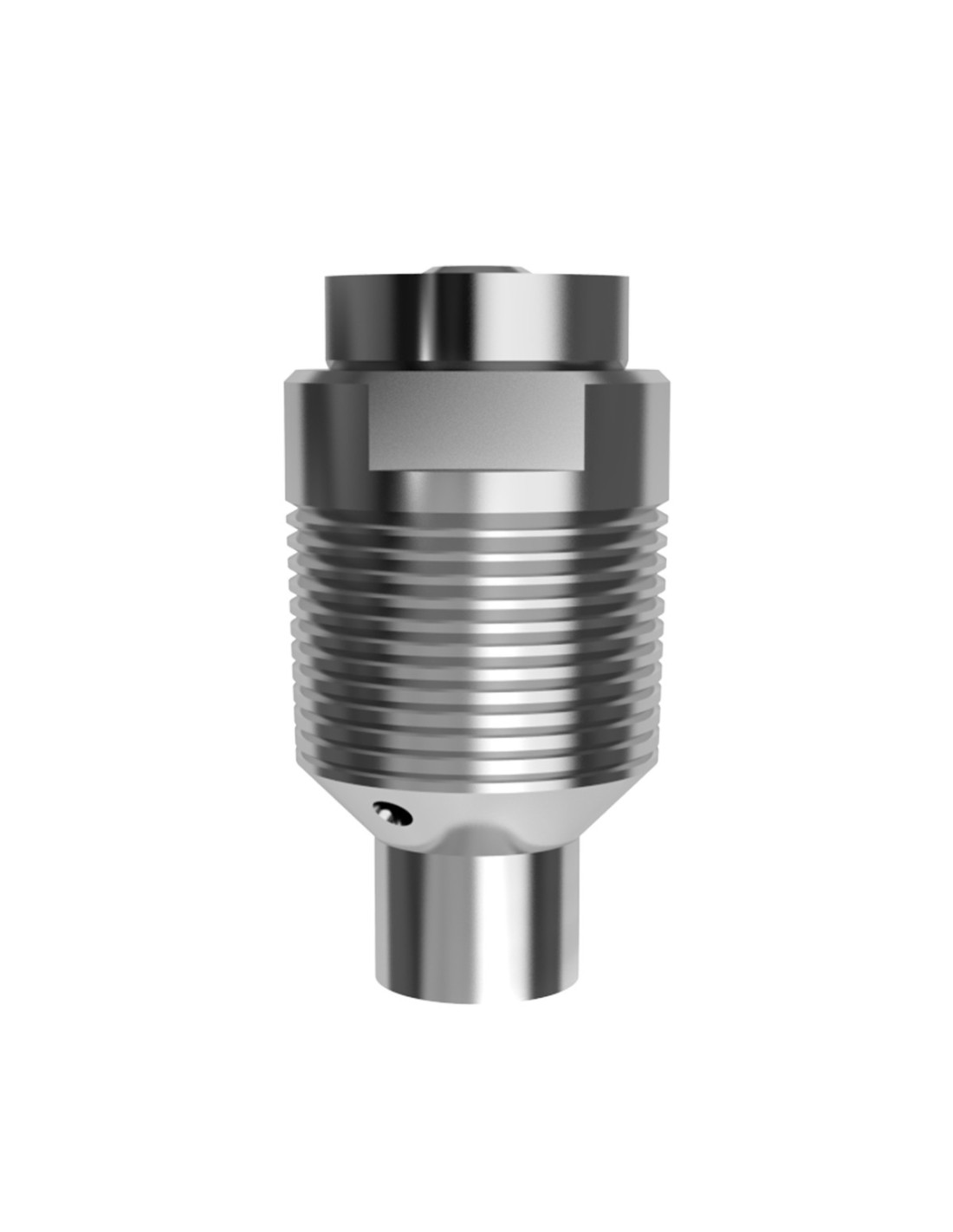
Swirl-Air™ atomising nozzle Delavan is an aerospace-based design developed by the manufacturer's Gas Turbine Division. It was designed to maximize hydraulic and pneumatic energy for atomizing liquids at relatively low pressures. Originally designed for use in evaporative cooling, spray drying, and combustion, these nozzles have since found use in numerous other industrial applications, from the food industry to steel production. Various spray angles are available. Flow rate can be adjusted by adjusting the air and liquid pressure, and the atomization degree is controlled by varying the air-to-liquid volume ratio.
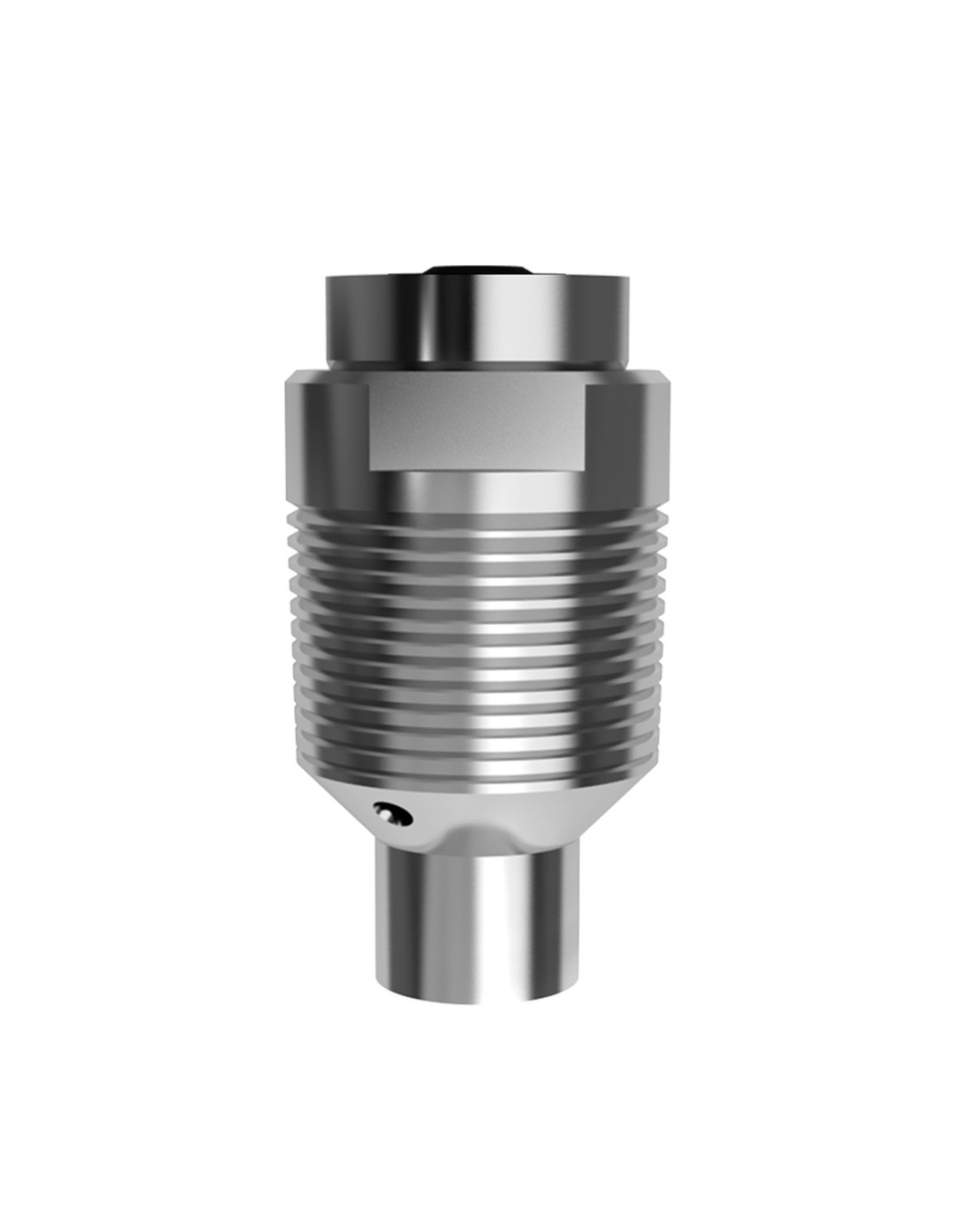
Delavan Swirl-Air™ atomizing nozzle - fine atomization at low pressure
HOW DOES THE NOZZLE WORK?
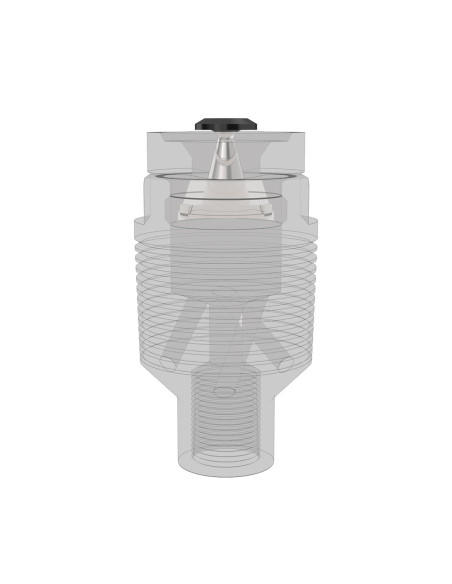
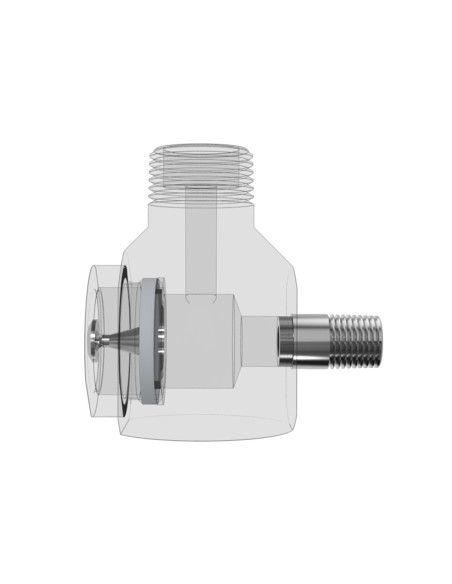
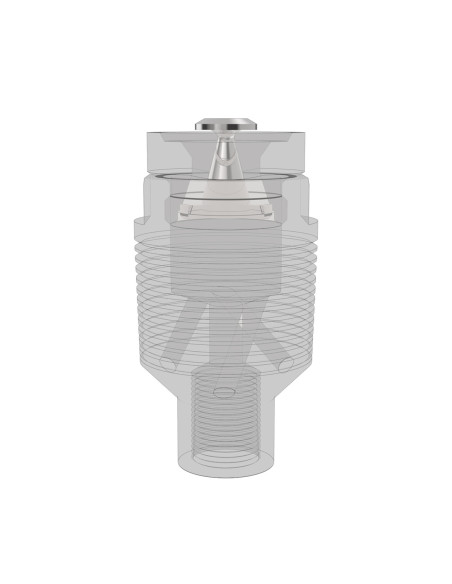
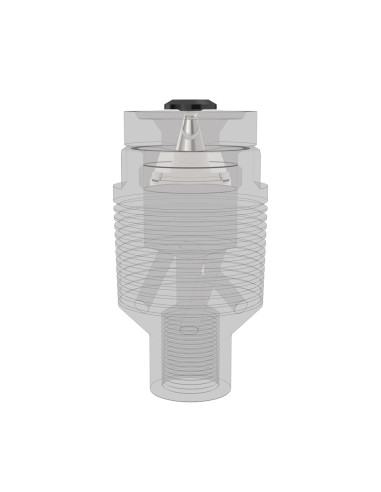
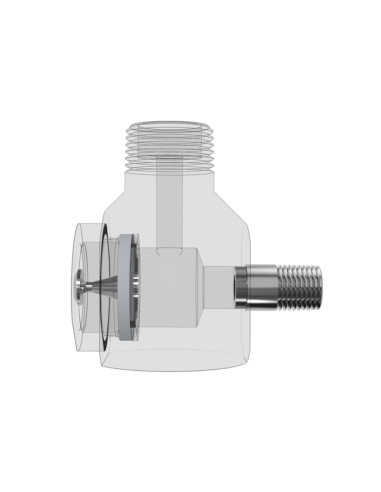
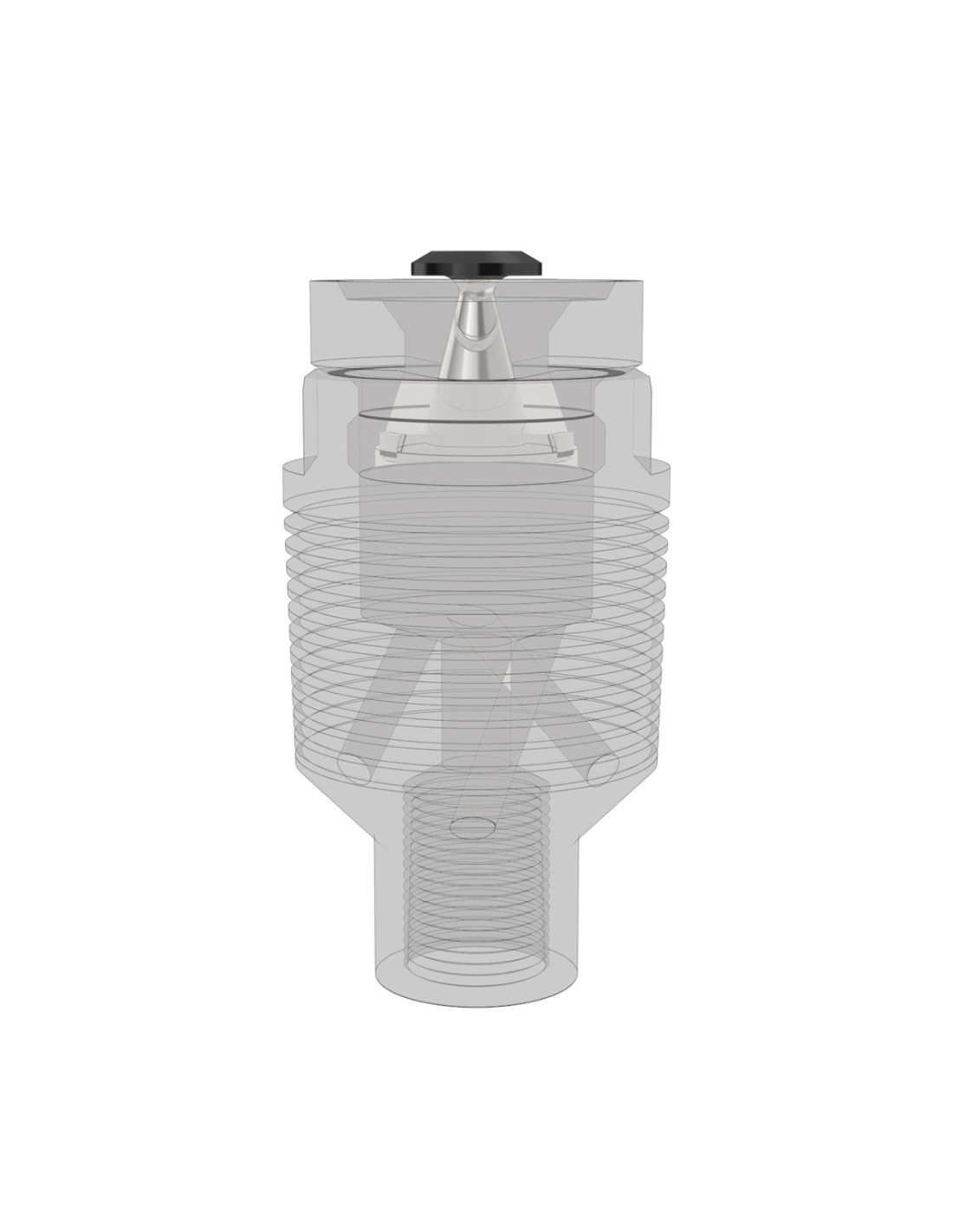
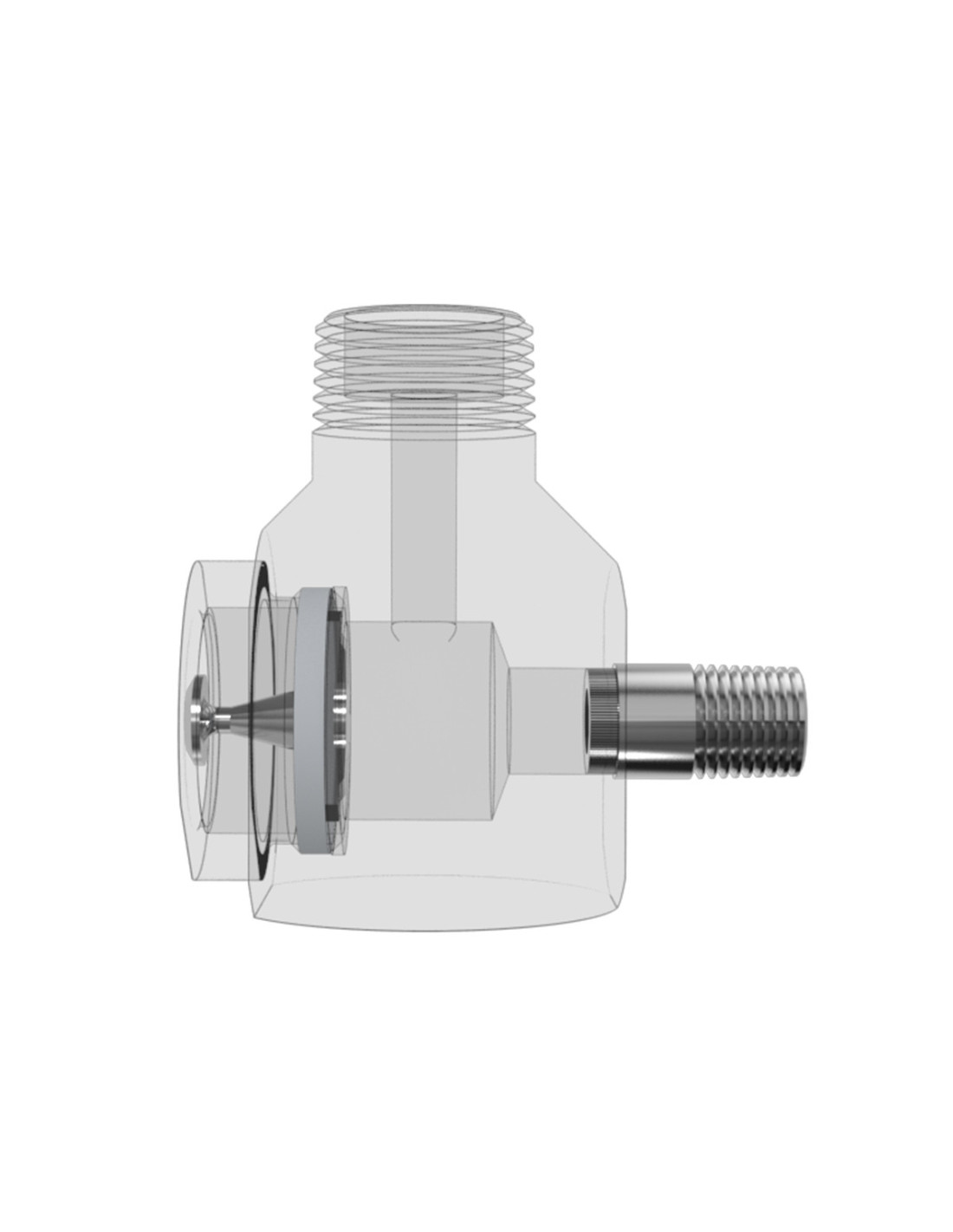
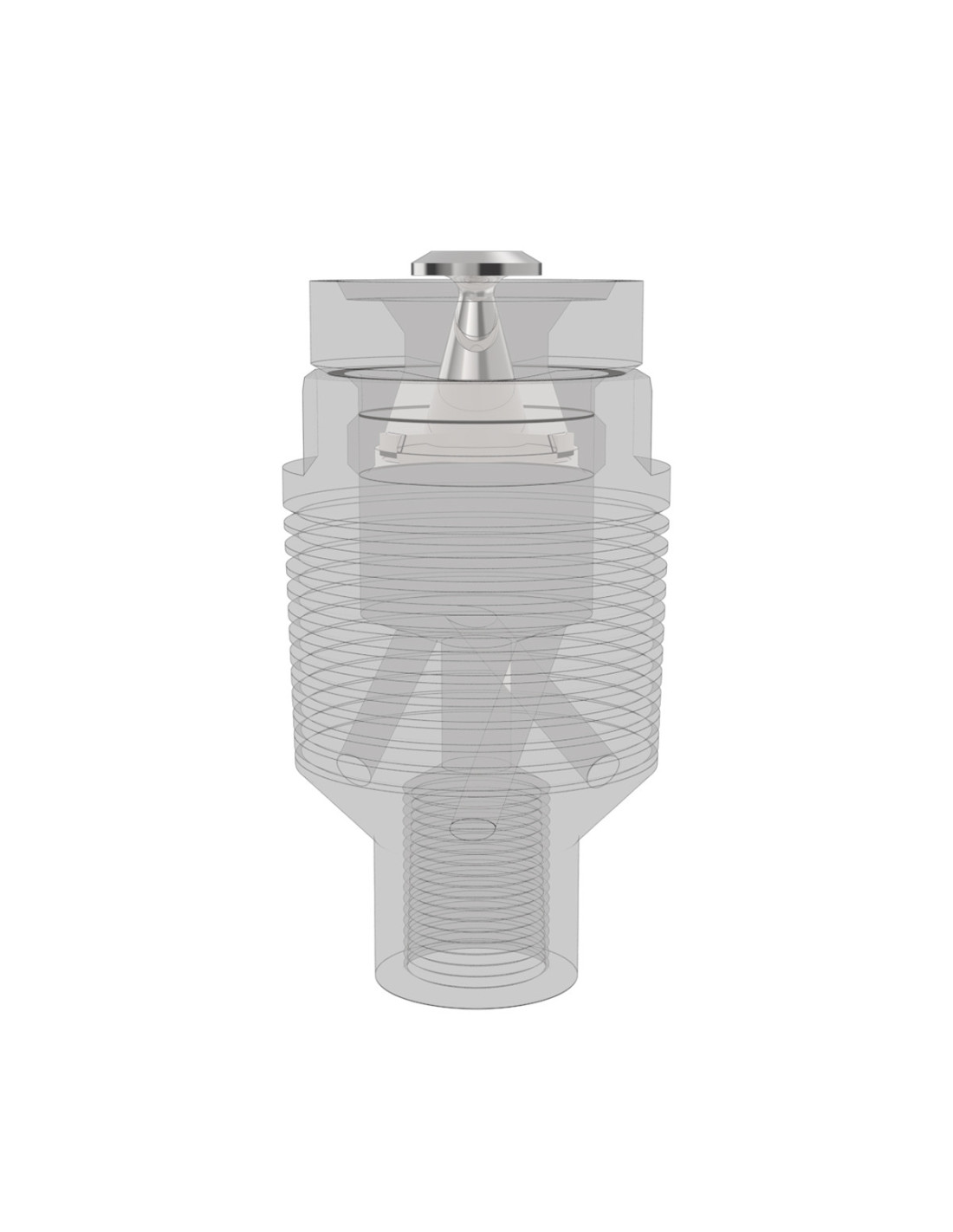
The liquid enters the nozzle axially, coming into contact with a tangentially introduced stream of air/gas or steam in the nozzle's mixing chamber. The liquid impacts the plug plate, and the gas-liquid interaction creates extreme turbulence within the chamber. The swirling liquid, seeking a way out, strikes the walls and distributor plate, then flows through a Venturi-shaped opening, where the droplets are exposed to extreme shear forces before colliding with a circular deflector ring and exiting the nozzle as a finely atomized spray cone. The deflector ring is held in position by a cone protruding from the distributor plate. The deflector ring serves a dual purpose: precisely controlling the spray angle and breaking the spray into even finer droplets (secondary atomization). This method eliminates spacers that could disrupt the spray pattern. The gradual action of shear forces and inertia within the nozzle ensures relatively high nozzle efficiency.
Design and Materials
Features:
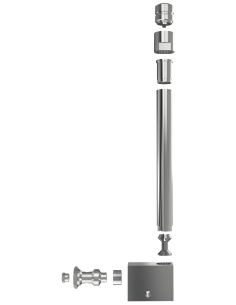
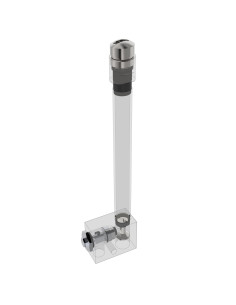
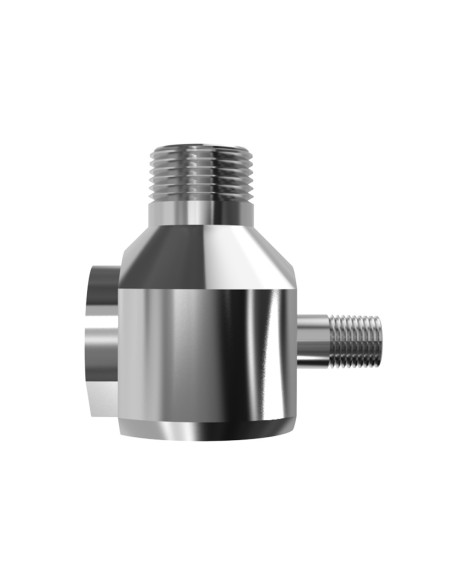
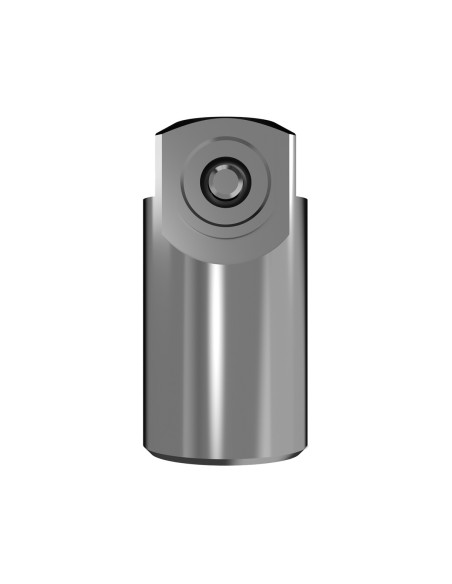
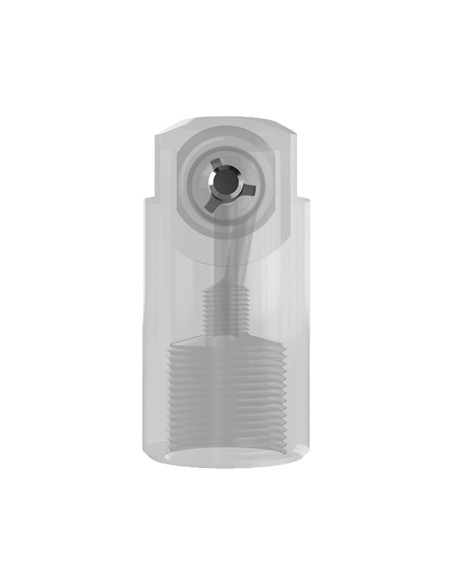
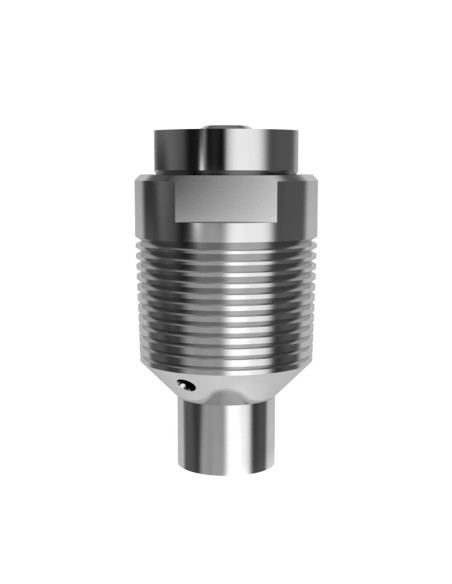
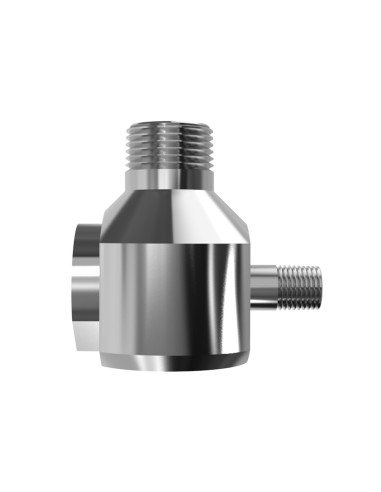
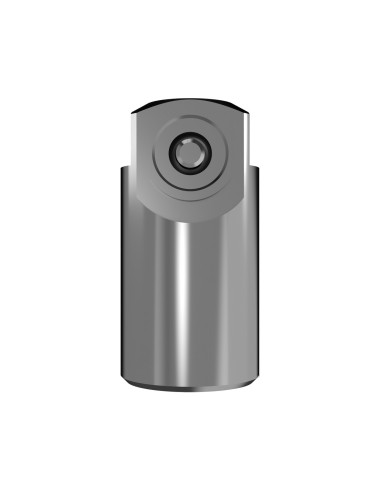
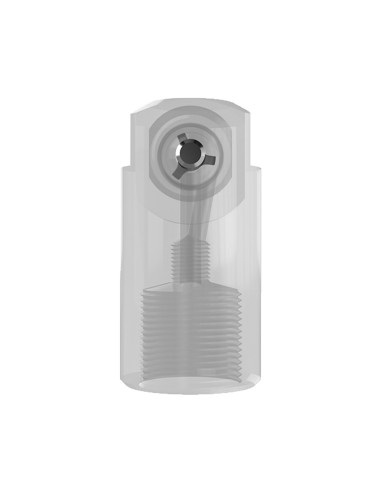
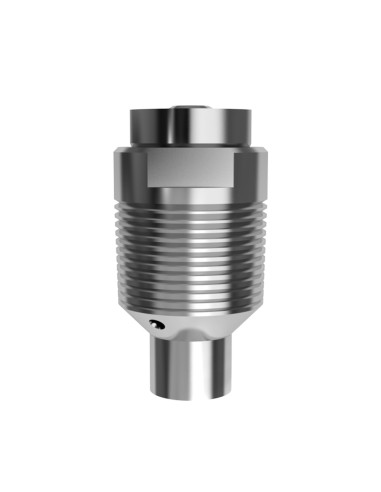
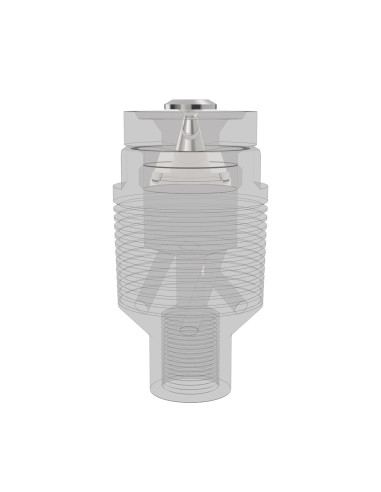
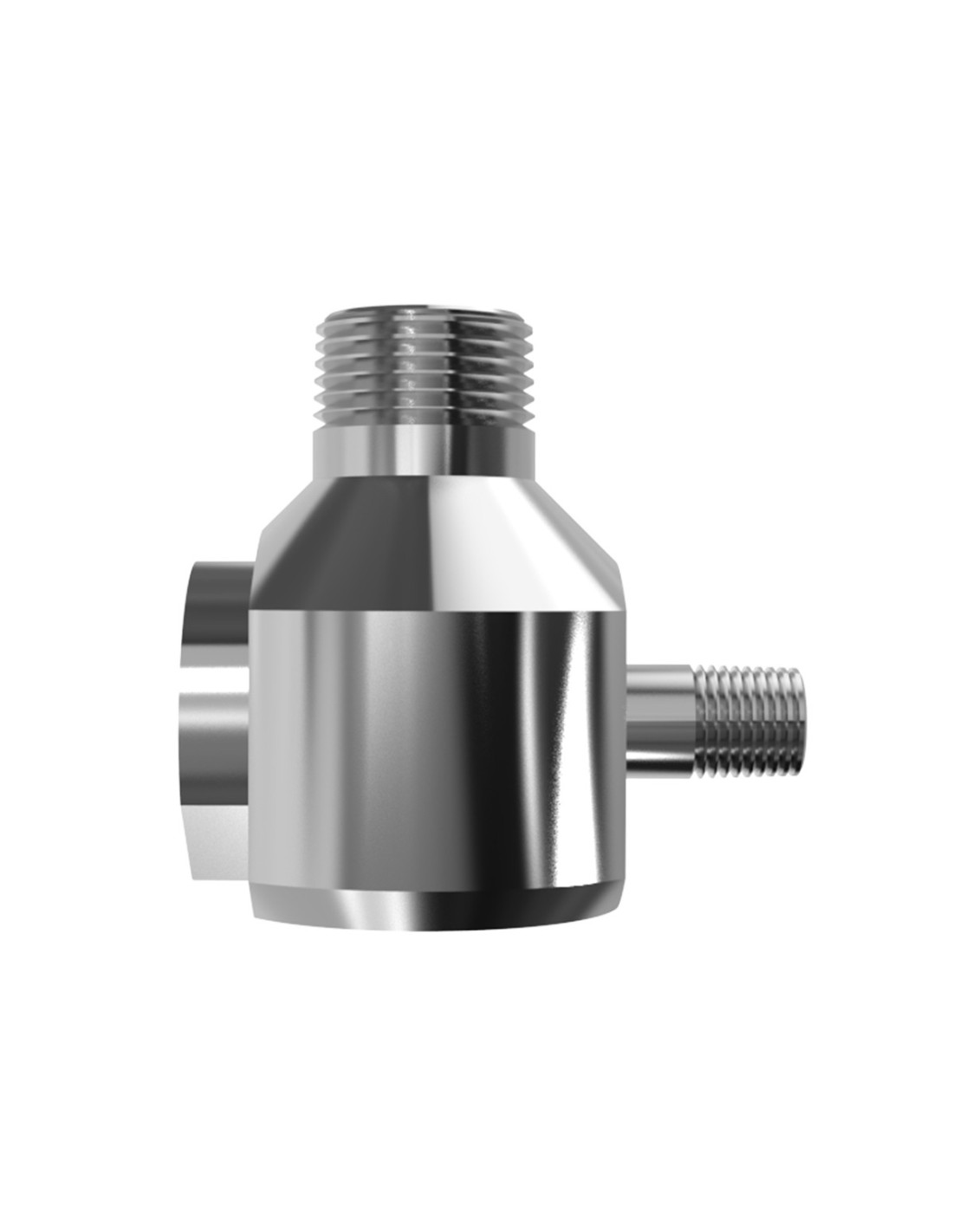
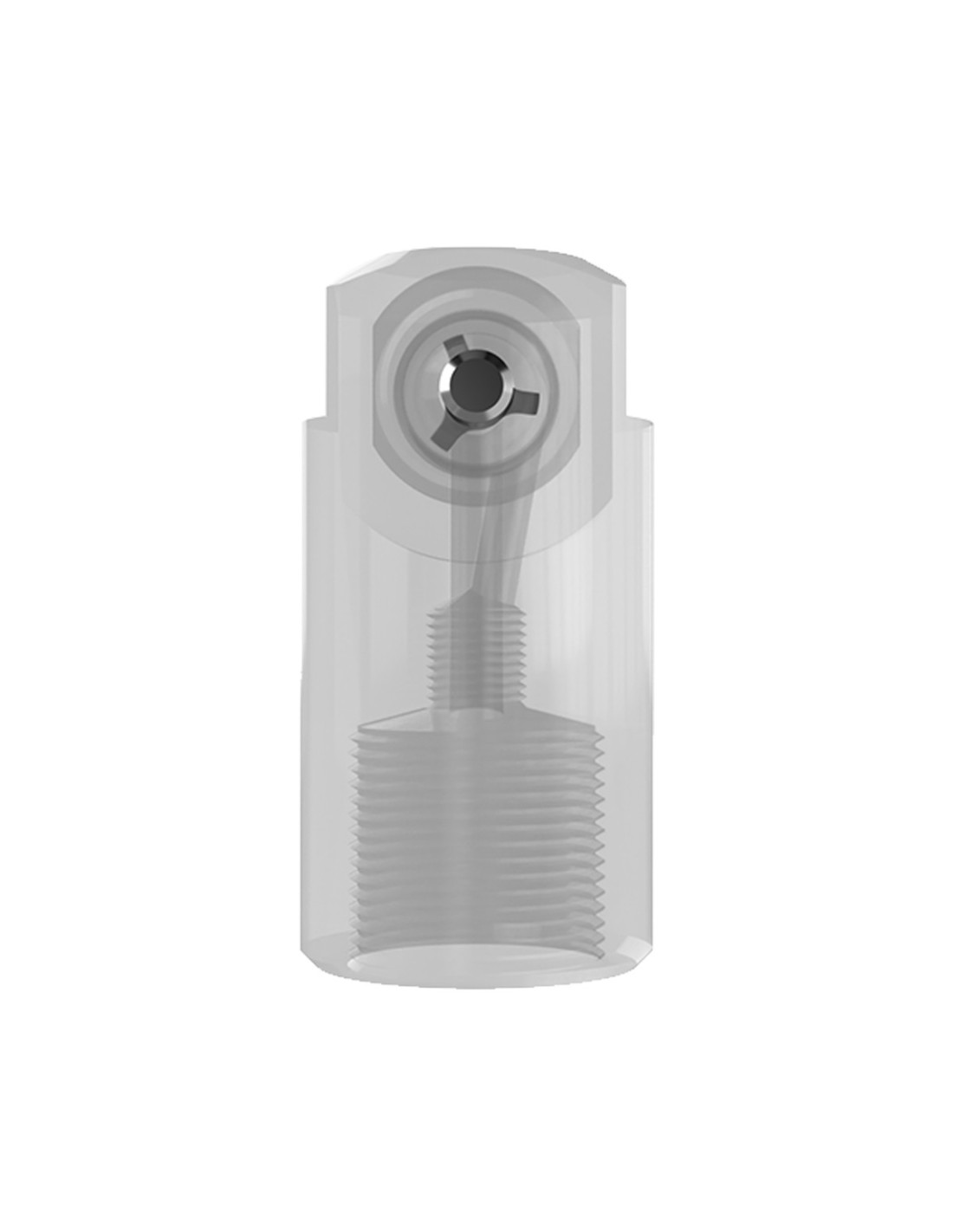
Two installation configurations are available. An angle nozzle enters the atomizing air from the side and the liquid axially from the rear. An inline nozzle uses concentric tubing, with the liquid in the center and the atomizing air entering around the outside. Concentric tubing adapters are optional and not standardly included with the nozzle. Our specialized design team can also provide customized designs to meet your specific needs.
Eight nozzle sizes are available, covering flow rates from 1 to 2400 GPH.
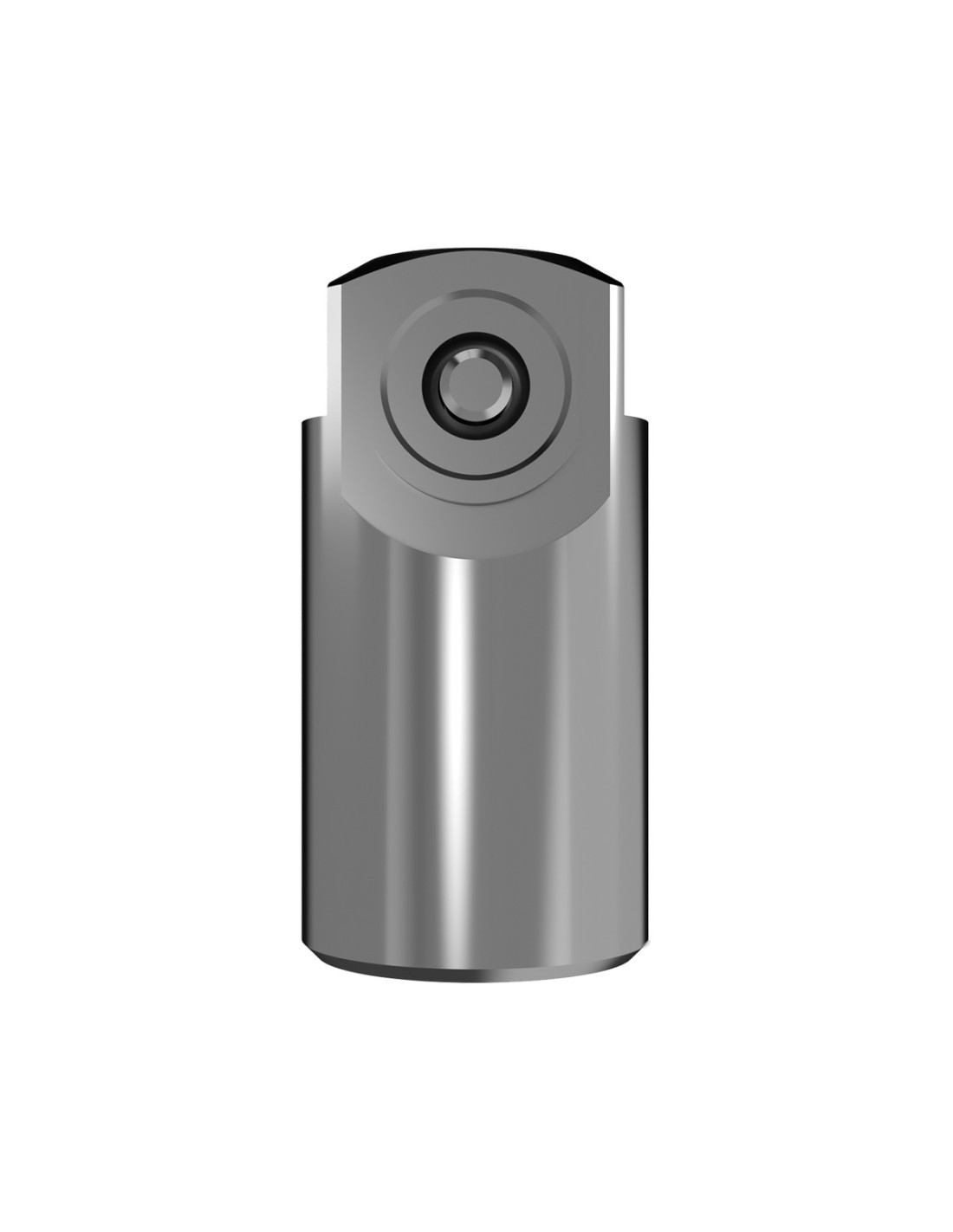
Nominal spray angles of 50°, 75°, and 100° can be achieved using interchangeable nozzle caps. For special spray angles from 25° to 160°, please contact the manufacturer.
The nozzle is capable of achieving mean droplet diameters in the 50–100 micron range at low pressure and airflow. When using dry steam instead of air, the steam pressure should be approximately four times higher than the air pressure to achieve the same atomization characteristics.
Comparable atomization in a hydraulic nozzle would typically require very high pressures.
The atomization rate is also variable by controlling the air-to-liquid volume ratio. Small changes in air pressure can affect droplet size. However, if the air pressure is initially set and it is necessary to modulate the liquid flow, the air pressure differential and flow rate will automatically respond to maintain nearly constant atomization quality. In some applications, this can result in cost savings due to the elimination of air valves and controls.
Lance Installation
Delavan's extensive experience extends beyond the nozzle itself, offering a full range of technical support for spray lances. We offer cooled or heated lances, special mounting flanges, and bypass or blow-off systems that meet all industry standards.
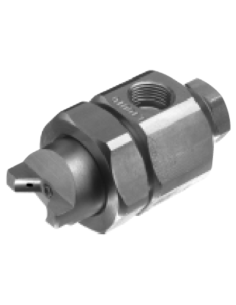
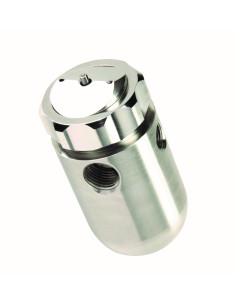
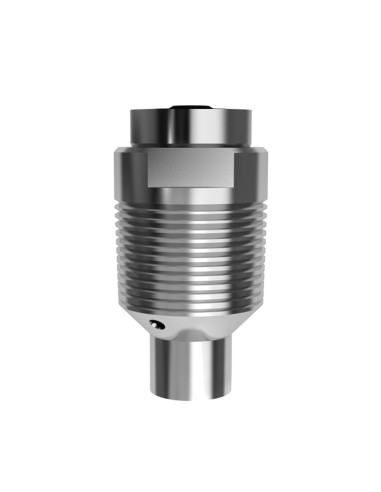
Delavan's range of four Swirl-Air™ spray nozzles:
1. Right Angle Version
2. Concentric Inlet Version
The Swirl-Air™ concentric inlet version is typically used in tanks containing hazardous environments where the spray cone must be positioned at a right angle to the supply pipe.
The standard Swirl-Air™ nozzle thread is NPT, but BSPT threads are available upon request.
3. Inline Version
4. Carbide Lined Version